what causes non diabetic hypoglycemia Sugar diabetes high blood hypoglycemia symptoms hypo hyper diabetic cause hyperglycemia type nursing joint does medical know lower pain muscle
Hey there, fellow health enthusiasts! Today, we are going to talk about a topic that affects millions of people worldwide - Diabetes. It is a metabolic disease that affects the way your body processes blood sugar (glucose). Hypoglycemia, or low blood sugar, is a common complication in people with diabetes. It can occur due to several reasons, such as skipping a meal, strenuous exercise, or taking too much insulin. Symptoms of hypoglycemia include shakiness, headaches, confusion, sweating, and heart palpitations. To prevent hypoglycemia, monitor your blood sugar regularly, and make sure to eat a balanced diet. One of the key components of managing diabetes is insulin. Insulin is a hormone that helps regulate your blood sugar levels by allowing glucose to enter your cells. People with Type 1 diabetes do not produce enough insulin, while people with Type 2 diabetes may not be able to use insulin efficiently. Insulin therapy can help manage both types of diabetes. It is important to understand that insulin is not a cure for diabetes. It only helps manage the symptoms. Insulin therapy involves injecting the hormone into your body using a syringe or an insulin pump. It is crucial to monitor your blood sugar levels regularly when using insulin therapy to avoid hypoglycemia and hyperglycemia (high blood sugar). We have attached some images to help you better understand diabetes and insulin. The first one shows how diabetes affects your body and the symptoms of hypoglycemia. The second one shows the structure of insulin and how it helps regulate blood sugar levels. [image1]
Diabetes and Hypoglycemia
 Image source: Health N Sugar Blog
Diabetes is a metabolic disease that affects the way your body processes blood sugar (glucose). Hypoglycemia, or low blood sugar, is a common complication in people with diabetes.
[image2] The Structure of Insulin
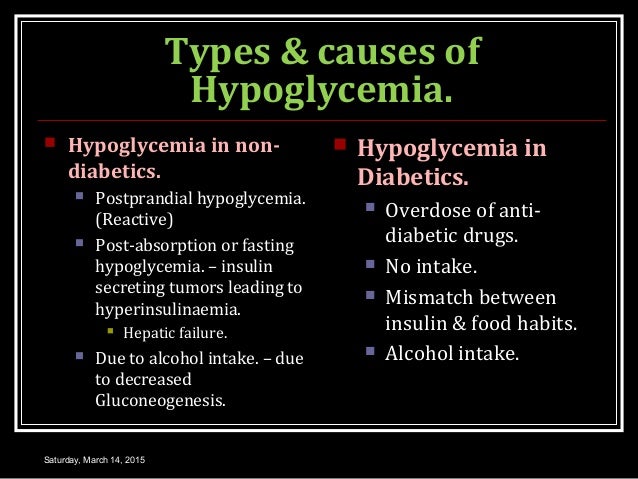 Image source: SlideShare
Insulin is a hormone that helps regulate your blood sugar levels by allowing glucose to enter your cells. It is crucial to monitor your blood sugar levels regularly when using insulin therapy to avoid hypoglycemia and hyperglycemia (high blood sugar).
Remember, diabetes can be managed with the right treatment and a healthy lifestyle. Regular exercise and a balanced diet can help control your blood sugar levels and reduce the risk of complications. Stay informed, stay healthy! If you are looking for INSULIN you’ve came to the right web. We have 5 Pictures about INSULIN like Diabetes.co.uk on Twitter: “#Symptoms #Hypoglycemia #Hyperglycemia #, INSULIN and also Diabetes by Health N Sugar Blog | Hypoglycemia, Diabetes. Here it is:
INSULIN
www.slideshare.netinsulin hypoglycemia diabetics reactive postprandial
Diabetes By Health N Sugar Blog | Hypoglycemia, Diabetes
www.pinterest.comhypoglycemia diabetes diabetic hyperglycemia hypo causes reactive insulin glucose hypoglycaemia hypos hypothyroidism adrenaline learna
PPT - Non-Diabetic Hypoglycemia PowerPoint Presentation, Free Download
 www.slideserve.comhypoglycemia non diabetic ppt powerpoint presentation
Diabetes.co.uk On Twitter: “#Symptoms #Hypoglycemia #Hyperglycemia #
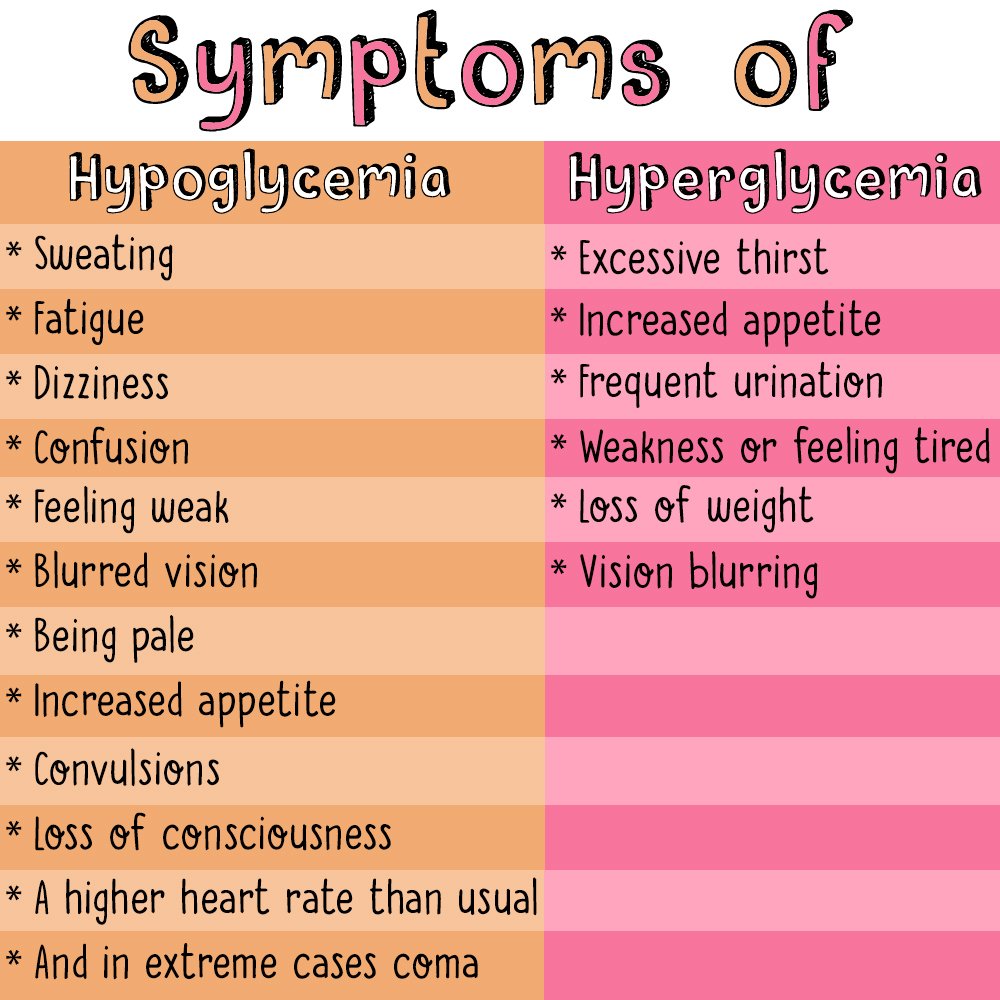 twitter.comsugar diabetes high blood hypoglycemia symptoms hypo hyper diabetic cause hyperglycemia type nursing joint does medical know lower pain muscle
PPT - Non-Diabetic Hypoglycemia PowerPoint Presentation, Free Download
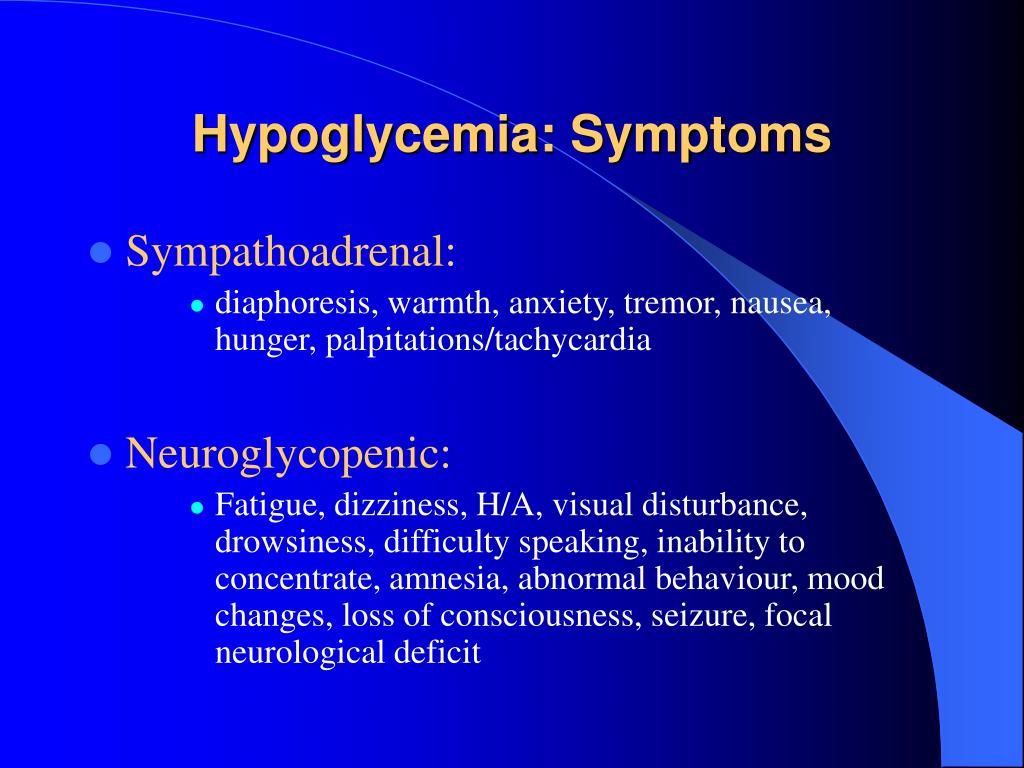 www.slideserve.comhypoglycemia diabetic non symptoms ppt powerpoint presentation
Hypoglycemia diabetic non symptoms ppt powerpoint presentation. Hypoglycemia non diabetic ppt powerpoint presentation. Sugar diabetes high blood hypoglycemia symptoms hypo hyper diabetic cause hyperglycemia type nursing joint does medical know lower pain muscle