what happens if you have no protein Protein mgus infographic consumption
Hey there! Are you having symptoms of Multiple Myeloma, such as bone pain, fatigue or unexplained weight loss? It could be due to high levels of M protein in your body. M protein is a type of immunoglobulin that can cause MGUS (Monoclonal Gammopathy of Undetermined Significance), also known as benign monoclonal gammopathy. It’s not cancerous or dangerous, but it can lead to serious conditions like Multiple Myeloma and other plasma cell disorders. So, what causes MGUS? One factor could be excessive protein intake. Many people think that protein is always good for you, but overdoing it can lead to health problems. Your body needs protein to build and repair tissues, but consuming too much protein can put a strain on your kidneys and liver. It can also disrupt your body’s normal balance of fluids and electrolytes, leading to dehydration and electrolyte imbalances. On the other hand, if you’re not getting enough protein, you may experience a range of symptoms like fatigue, muscle weakness, hair loss, and poor immune function. Protein is essential for maintaining healthy tissues, producing enzymes and hormones, and regulating various metabolic functions in your body. So, how much protein do you really need? The answer depends on various factors like your age, gender, body weight, and physical activity level. The general guideline is to consume 0.8 grams of protein per kilogram of body weight per day. For example, if you weigh 70 kg, you should aim for 56 grams of protein per day. However, if you’re an athlete, pregnant, or nursing, you may need slightly more protein to support your body’s unique needs. The quality of protein also matters. Animal sources like meat, dairy, and eggs provide complete proteins that contain all the essential amino acids your body needs. Plant sources like beans, nuts, and grains provide incomplete proteins that lack some of the essential amino acids. However, you can combine different plant sources to create a complete protein profile. For example, rice and beans, or hummus and pita bread. To wrap it up, protein is an essential nutrient that plays a crucial role in your overall health and wellbeing. However, it’s important to consume it in moderation and choose high-quality sources. If you’re experiencing symptoms of MGUS or other health issues, it’s always a good idea to consult with your healthcare provider to rule out any serious conditions.
If you are looking for What Happens When You Don’t Get Enough Protein? - Performance Inspired you’ve visit to the right page. We have 5 Images about What Happens When You Don’t Get Enough Protein? - Performance Inspired like You’re Not Getting Enough Protein If This Happens To You, What Happens To Your Body When You Eat Too Much Protein - Estroden and also You’re Not Getting Enough Protein If This Happens To You. Here it is:
What Happens When You Don’t Get Enough Protein? - Performance Inspired
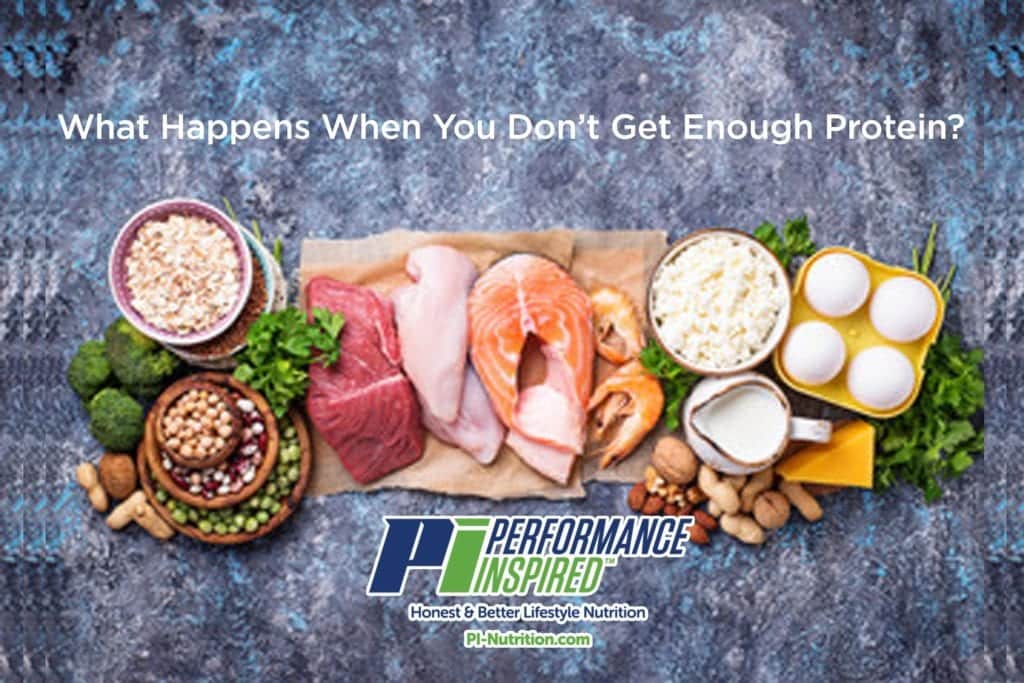 pi-nutrition.comnutrition
MGUS Symptoms - HRF
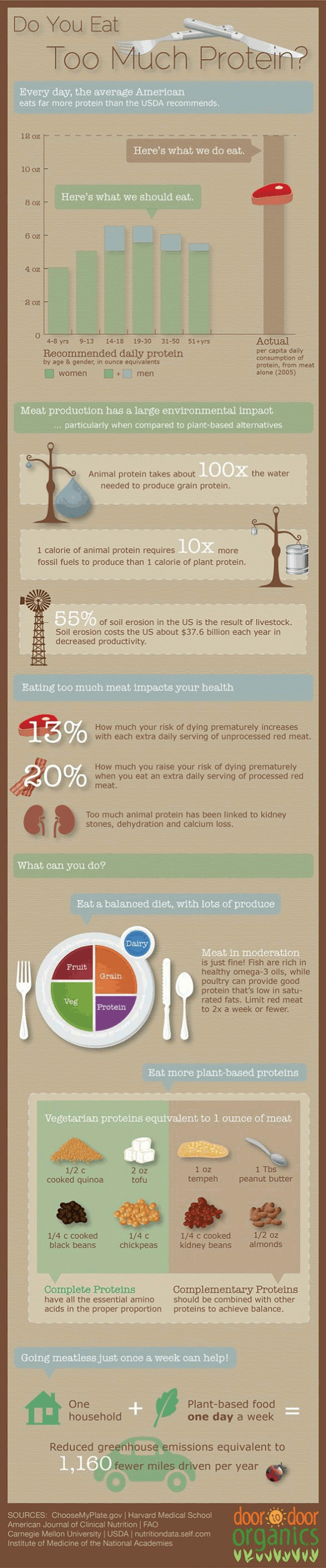 healthresearchfunding.orgprotein mgus infographic consumption
Silent Signs You Could Be Eating Too Much Protein | The Healthy
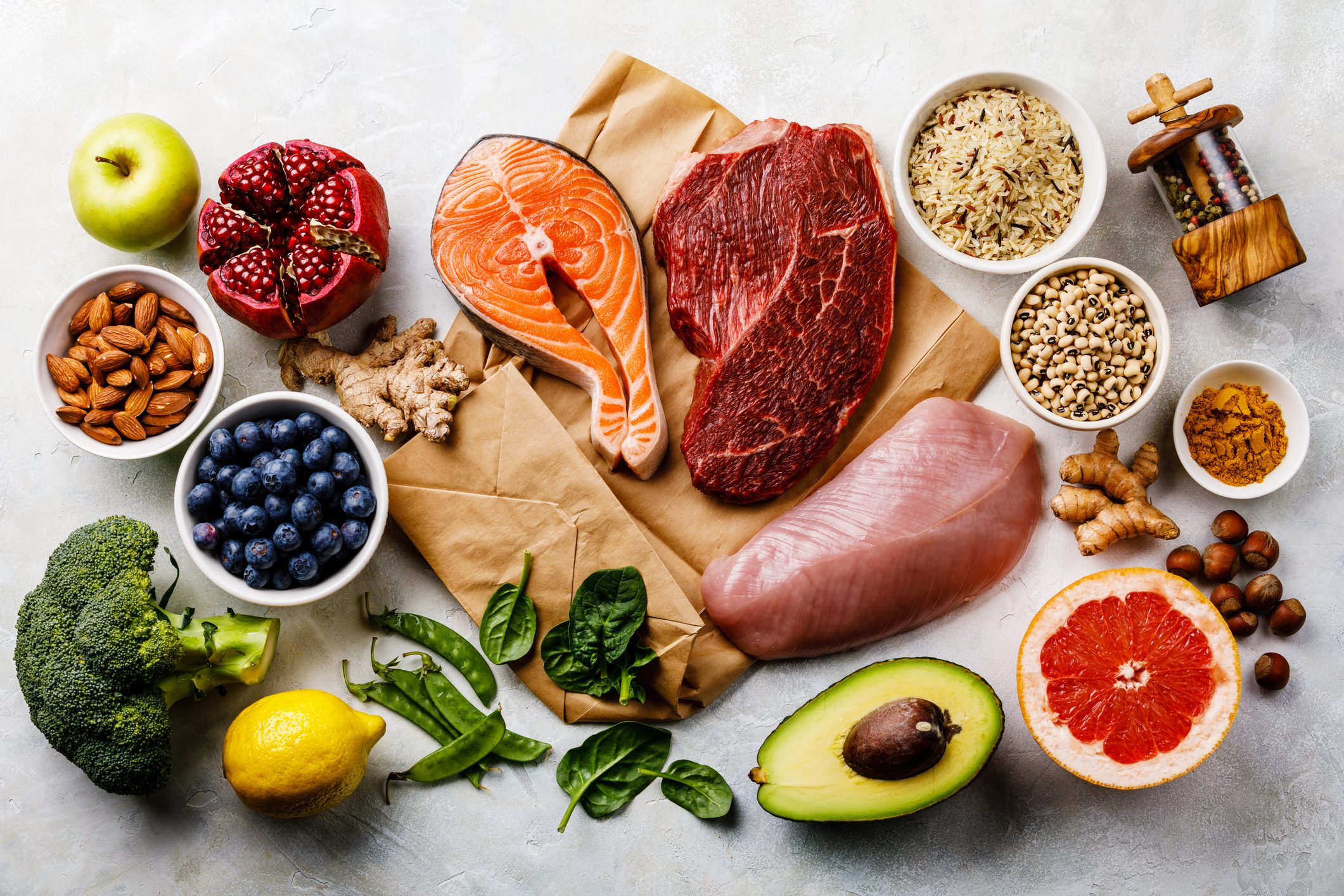 www.thehealthy.comWhat Happens To Your Body When You Eat Too Much Protein - Estroden
 estroden.comYou’re Not Getting Enough Protein If This Happens To You
 www.healthdigest.comWhat happens when you don’t get enough protein?. Mgus symptoms. Silent signs you could be eating too much protein